

Are You a Stressaholic? Here’s a Five-Minute Fix
What does it feel like to be in a relaxed state? What triggers me back into a state of stress? What are the signs?
Increasingly over the past couple of years, I’ve been having outbreaks of hives and itchy skin. I finally sat down with an allergist, who gave it to me straight. I am allergic to pineapples, apples, and—get this—anything that touches my skin. Anything that rubs, scratches, or irritates my skin will create the itchy, irritating hives. He said, “Your problem isn’t actually the allergies. It’s stress and anxiety, so I would get that under control if you can.”
Funny. I’ve been trying to get my stress and anxiety under control since I collapsed into a heap of wracking sobs in front of my math teacher in high school because I was in school full time, socializing full time, and working eight-hour days on the weekends, so couldn’t complete my math homework. Ironic, perhaps, that a yoga teacher would struggle so much with stress, but ask any one of us and we will probably tell you that’s how we got into this field in the first place.
It’s not that we are “Type-A” personalities or workaholics. Our culture has been mainlining stress, and we are accidental junkies. We think relaxation is something you do on a vacation that you worked 80-hour weeks for years to “deserve,” and when we see it in everyday life, we recoil in fear and disgust and label it “laziness.”
Yesterday, I noticed a billboard for a coffee shop advertising an even faster way to pay. The image was a coffee mug and a doughnut moving so quickly the doughnut’s sprinkles were flying off. Sitting down for a coffee and a doughnut used to mean a pause from a stressful day, a quiet moment before having to rush off again. Now a “coffee break” is another cog in our Faster Machine.
What appears to be happening is a slow but certain takeover of our sympathetic nervous system (SNS), sometimes called the “stress state,” from the parasympathetic nervous system (PNS), which governs healing and rest. Both systems are always present in the body, but one is usually functioning more than the other. Calling the SNS the “stress state” gives it a bit of a negative connotation, which isn’t quite right. We need stress to survive, and having appropriate periods of stress gets us out of the house in the morning, helps us follow our dreams, and yes, if necessary, helps us run away from a bear.
The problem is that our SNS easily gets stuck in the “on” position. Even when we appear to be relaxed, the SNS is still highly functioning, preventing the PNS from taking over and allowing us to rest, digest, process emotion, and stimulate the immune system. Nightmares and clenched jaws indicate that we can even sleep in a stress state. If you’re like me, being at a low buzz of stress feels so normal that deep relaxation and stillness is so unfamiliar it’s almost uncomfortable. Our stress habits are so strong that, ironically, being comfortable is beyond our comfort zone.
The good news is that even though the SNS is very easily triggered, there are triggers for the PNS as well that we can practice more often to rehabilitate our stress addictions.
The most important tool we can use to retrain ourselves is awareness. What does it feel like to be in a relaxed state? What triggers me back into a state of stress? What are the signs?
In order to see these signs, you must first know what it feels like to be relaxed. Actually relaxed.
Viparita Karani, or Legs Up the Wall, is a yoga pose that strongly stimulates the PNS, and all you need is a floor and a wall or even a bed or couch. If you can get out to a restorative yoga class, even better, but this is one you can do everyday. Always check with your doctor first if you are pregnant or have any health concerns.
Sit with one hip touching the wall. Roll down onto your forearms as you swing your legs up the wall, and shimmy as close to the wall as you feel comfortable. No need to touch the wall with your bum.
Lie on your back, hands on your belly, out to the sides, or up overhead, whichever one feels most comfortable to you. Lifting your legs off the floor tells your body in no uncertain terms that you are not “on the go” right now. Your sprinkles are going to stay firmly on your doughnut here.
If you have a bolster or pillow, slide it under your hips, and adjust it for comfort. If you have a blanket, drape it over your legs for warmth and support. If you have an eye pillow or a scarf, place it over your eyes. Warmth, comfort, quiet, and darkness are a few excellent PNS triggers.
You can stay here for up to 20 minutes if you are comfortable, but five minutes is enough. When you are ready to come out, do so slowly, bending your knees and rolling onto your right side before you come all the way up. Take your time and remember this feeling of relaxation as you notice what triggers you back into your SNS.
Now we have a program for stress rehab. Good luck, and godspeed you keep your sprinkles on.
Written by Julie Peters
Recent Blog Posts
3 Writing Practices to Untangle and Illuminate Your Life
Try writing new or resequenced versions of past events. Doing so can untangle sticky patterns and open your life to joy.

Journaling Animalia
Studies suggest animals engage in their own kind of spiritual practices. Discover animal-inspired prayer through a sacred writing practice.
Fall Is So Yin: Embracing Autumn Energy
“The fall/winter ... is full of yin energy, a darker, softer, slower energy. Now is the time to head indoors, eat warm cooked food, and get close to our loved ones.”
10 Tried and True Anxiety Relief Affirmations for Staying Calm in the Chaos
“Anxiety isn’t trying to limit me but free me from a situation that no longer feels good.”

Stressed Out? Lean into It
When "Just Breathe" Isn't Enough: Practices for Deep Breathing
Breathing is, indeed, good for you. It’s been shown that breathing into the belly helps encourage a relaxed state in your body, nourishes your organs, calms the nervous system, and oxygenates the blood. It’s easy: just breathe.
Intensifying Your Yoga Practice
A more intense yoga practice can give you a little more sweat, more strengthening, and a sense of empowerment.
5 New Ways to Fight Anxiety
Are you feeling anxious lately? Aren’t we all? As the New York Times recently noted, “Anxiety is easy to dismiss or overlook, partially because everyone has it to some degree.” To be human is to be anxious, at least on some level. Anxiety can rise to the point where it becomes considered a disorder, such as panic disorder or social phobias, and medical attention can help.

9 Ways to Reduce Anxiety Right Here, Right Now
There are many tools and techniques you can use to manage and eliminate anxiety and worry effectively. Here, experts share healthy ways to cope with and reduce anxiety right here, right now in this moment.
3 Art Therapy Techniques for Chronic Pain
An art therapist and breast cancer survivor outlines three art therapy techniques to help you through the complex experience of chronic pain.
The Spiritual Meaning of High Blood Pressure
High blood pressure can point to deep life stress, unprocessed trauma, or the pressures of living as a racialized person. Learn more.

Get Prepared for a Future Viral Infection-
Whether you are fighting an infection now or want to be prepared for a future viral infection, I have put together some general tips on how to fight viral infections of many kinds at home and naturally.
8 Ways to Raise Your Vibration as You Age
By becoming more aware of the variables you expose yourself to, you can consciously support your own vibration as you age

Teen Driving: Survey Insights and Safety Tips to Prevent Risky Behavior on the Road
Getting behind the wheel of a car for the first time is a huge milestone in a teen’s life. If you’re a parent, it can also be a nerve-wracking experience watching your child drive away on their own after getting their license.

Why Rest Is a Form of Resistance
Inspired by Tricia Hersey’s book Rest Is Resistance, Julie Peters shares her thoughts on the radical healing power of rest.
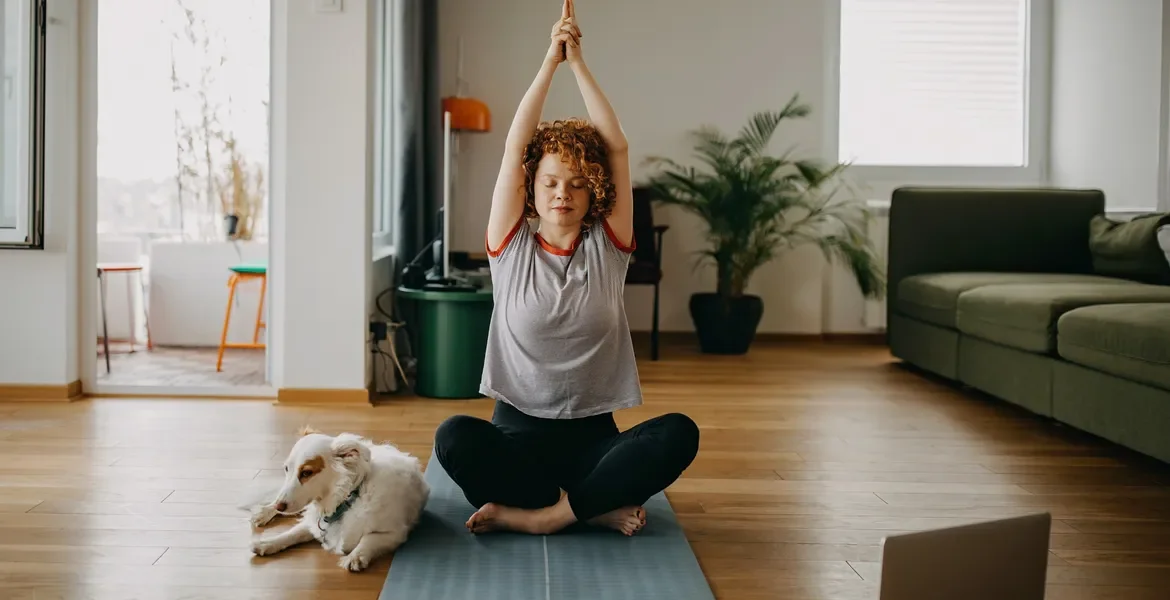
Best Yoga App for Mental, Emotional, and Physical Healing
Explore yoga beyond poses and discover how Yoga International can facilitate mental, emotional, and physical healing.
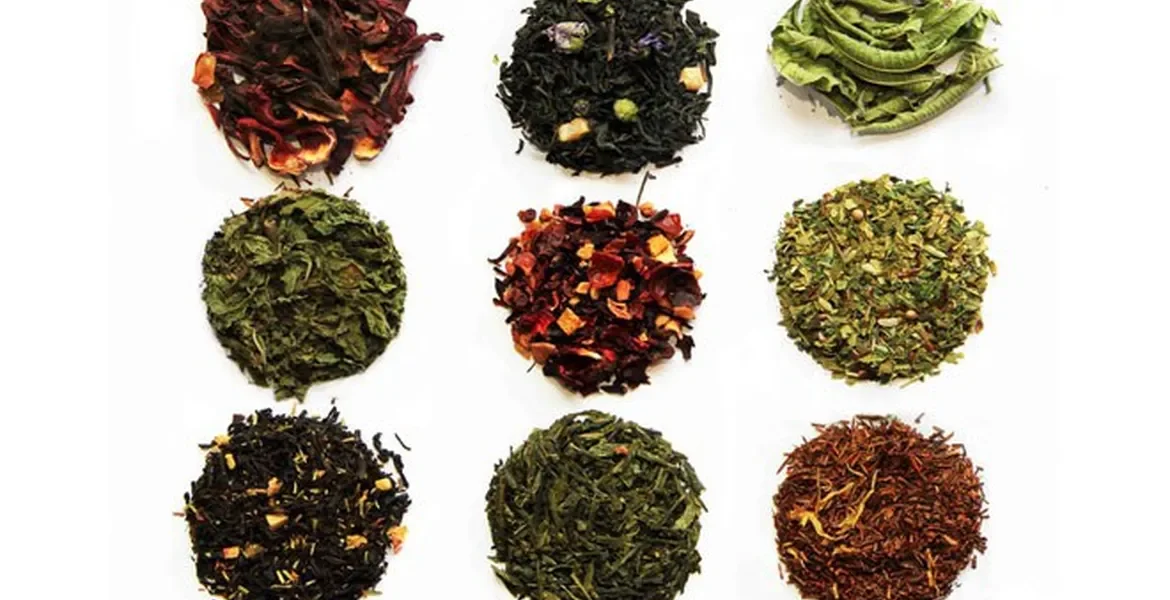
The Truth About Herbal "Tea"
Herbal “teas” are becoming more and more popular as people become more health conscious, but what are herbal teas? Do they differ from tisanes? Are they even really tea?
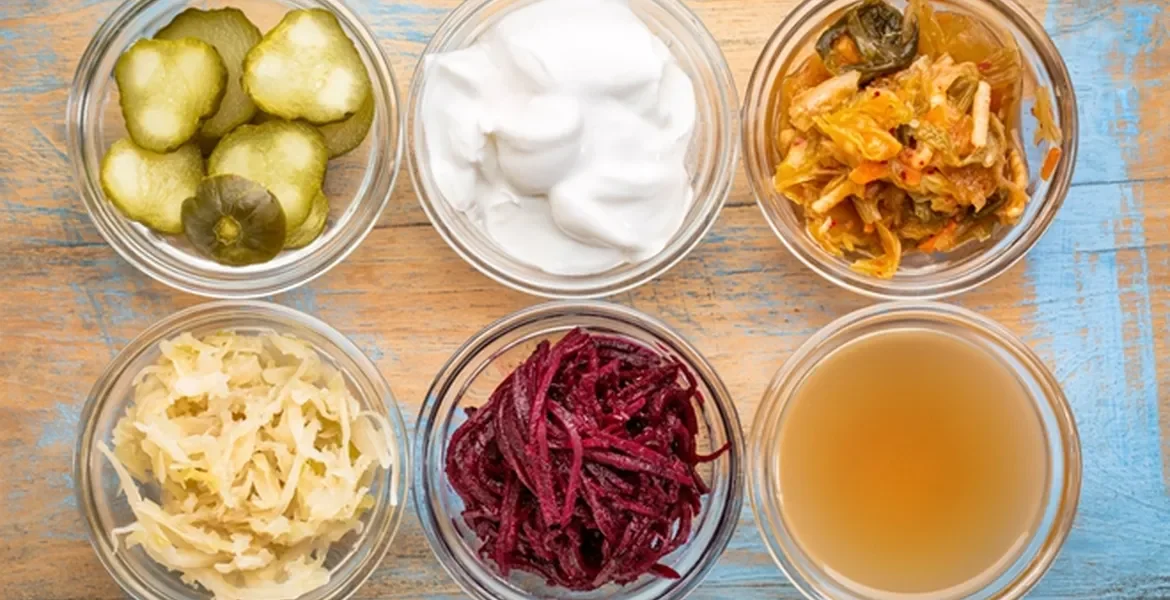
10 Ways to Support a Healthy Microbiome
Everyone’s microbiome is slightly different, but for this week’s Healthy Habits, here are some ways to support it in general.
6 Veggies (and Recipes) for Optimal Gut Health
“Although all veggies are good for you, some pack an outsized punch when it comes to promoting gut health. These six vegetables, and the easy recipes that go with them, will help your inner garden grow.”
