

Are You a Stressaholic? Here’s a Five-Minute Fix
What does it feel like to be in a relaxed state? What triggers me back into a state of stress? What are the signs?
Increasingly over the past couple of years, I’ve been having outbreaks of hives and itchy skin. I finally sat down with an allergist, who gave it to me straight. I am allergic to pineapples, apples, and—get this—anything that touches my skin. Anything that rubs, scratches, or irritates my skin will create the itchy, irritating hives. He said, “Your problem isn’t actually the allergies. It’s stress and anxiety, so I would get that under control if you can.”
Funny. I’ve been trying to get my stress and anxiety under control since I collapsed into a heap of wracking sobs in front of my math teacher in high school because I was in school full time, socializing full time, and working eight-hour days on the weekends, so couldn’t complete my math homework. Ironic, perhaps, that a yoga teacher would struggle so much with stress, but ask any one of us and we will probably tell you that’s how we got into this field in the first place.
It’s not that we are “Type-A” personalities or workaholics. Our culture has been mainlining stress, and we are accidental junkies. We think relaxation is something you do on a vacation that you worked 80-hour weeks for years to “deserve,” and when we see it in everyday life, we recoil in fear and disgust and label it “laziness.”
Yesterday, I noticed a billboard for a coffee shop advertising an even faster way to pay. The image was a coffee mug and a doughnut moving so quickly the doughnut’s sprinkles were flying off. Sitting down for a coffee and a doughnut used to mean a pause from a stressful day, a quiet moment before having to rush off again. Now a “coffee break” is another cog in our Faster Machine.
What appears to be happening is a slow but certain takeover of our sympathetic nervous system (SNS), sometimes called the “stress state,” from the parasympathetic nervous system (PNS), which governs healing and rest. Both systems are always present in the body, but one is usually functioning more than the other. Calling the SNS the “stress state” gives it a bit of a negative connotation, which isn’t quite right. We need stress to survive, and having appropriate periods of stress gets us out of the house in the morning, helps us follow our dreams, and yes, if necessary, helps us run away from a bear.
The problem is that our SNS easily gets stuck in the “on” position. Even when we appear to be relaxed, the SNS is still highly functioning, preventing the PNS from taking over and allowing us to rest, digest, process emotion, and stimulate the immune system. Nightmares and clenched jaws indicate that we can even sleep in a stress state. If you’re like me, being at a low buzz of stress feels so normal that deep relaxation and stillness is so unfamiliar it’s almost uncomfortable. Our stress habits are so strong that, ironically, being comfortable is beyond our comfort zone.
The good news is that even though the SNS is very easily triggered, there are triggers for the PNS as well that we can practice more often to rehabilitate our stress addictions.
The most important tool we can use to retrain ourselves is awareness. What does it feel like to be in a relaxed state? What triggers me back into a state of stress? What are the signs?
In order to see these signs, you must first know what it feels like to be relaxed. Actually relaxed.
Viparita Karani, or Legs Up the Wall, is a yoga pose that strongly stimulates the PNS, and all you need is a floor and a wall or even a bed or couch. If you can get out to a restorative yoga class, even better, but this is one you can do everyday. Always check with your doctor first if you are pregnant or have any health concerns.
Sit with one hip touching the wall. Roll down onto your forearms as you swing your legs up the wall, and shimmy as close to the wall as you feel comfortable. No need to touch the wall with your bum.
Lie on your back, hands on your belly, out to the sides, or up overhead, whichever one feels most comfortable to you. Lifting your legs off the floor tells your body in no uncertain terms that you are not “on the go” right now. Your sprinkles are going to stay firmly on your doughnut here.
If you have a bolster or pillow, slide it under your hips, and adjust it for comfort. If you have a blanket, drape it over your legs for warmth and support. If you have an eye pillow or a scarf, place it over your eyes. Warmth, comfort, quiet, and darkness are a few excellent PNS triggers.
You can stay here for up to 20 minutes if you are comfortable, but five minutes is enough. When you are ready to come out, do so slowly, bending your knees and rolling onto your right side before you come all the way up. Take your time and remember this feeling of relaxation as you notice what triggers you back into your SNS.
Now we have a program for stress rehab. Good luck, and godspeed you keep your sprinkles on.
Written by Julie Peters
Recent Blog Posts
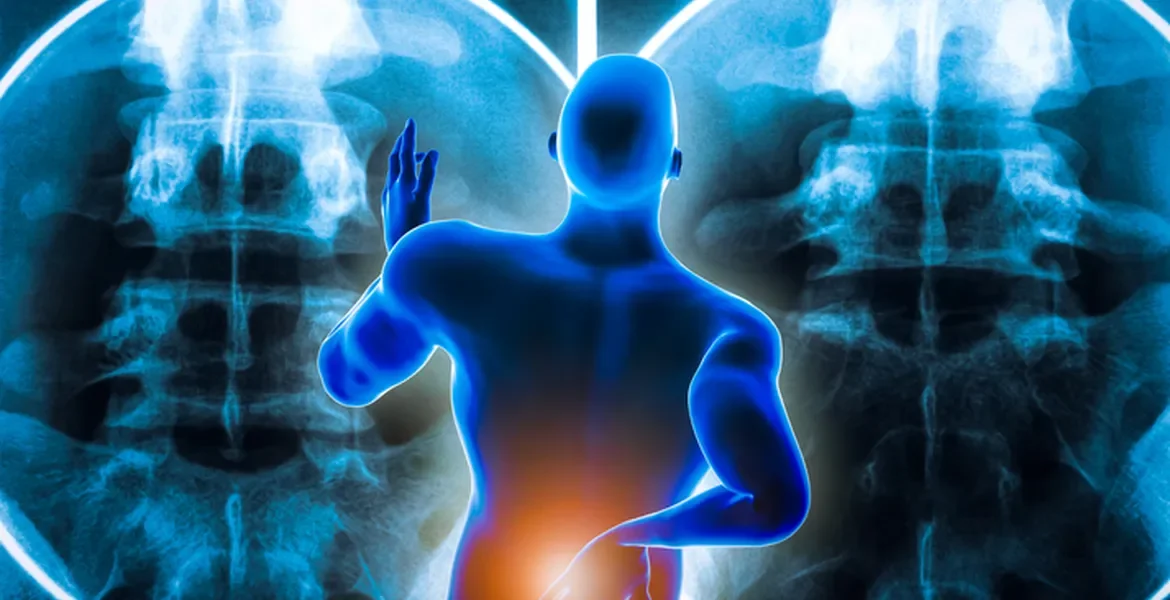
The Spiritual Meaning of Lower Back Pain
Seeking and acknowledging the spiritual meaning of lower back pain can set you on a course for recovery.
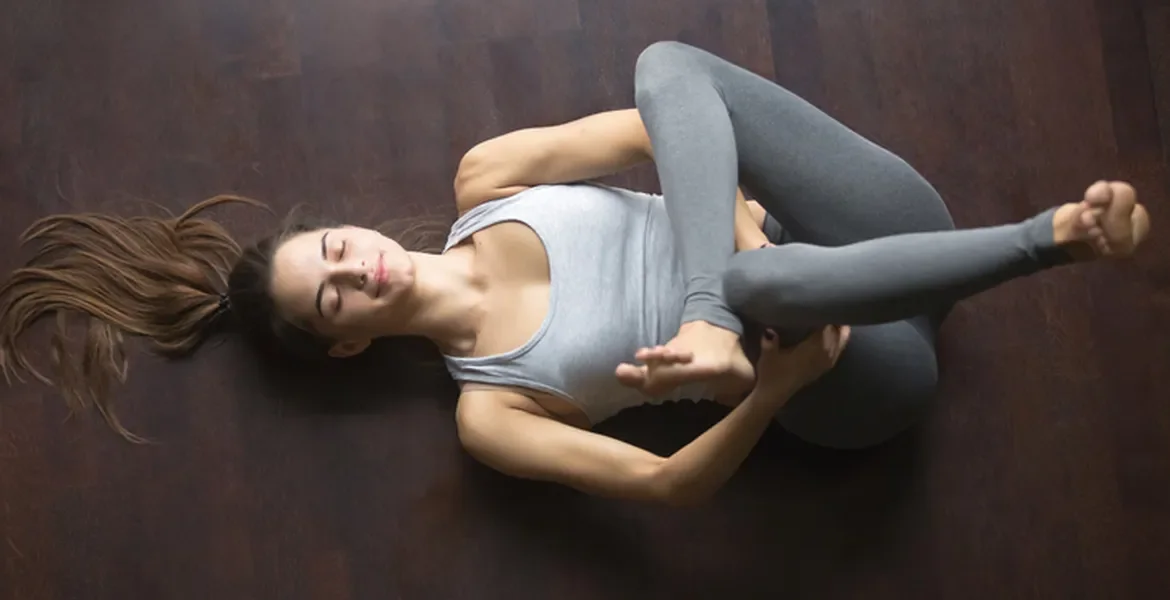
Yoga Sequence for Sciatica and Lower Back Pain
Try doing this sequence daily, mixing yoga and pilates—especially during pregnancy. You may feel relief within as little as a week or less.

6 Vibrational Healing Practices for Anxiety and Excessive Overthinking
Anything and everything you ingest has a vibration, so be mindful and bring an awareness of spiritual vibration energy to each experience.

5 Surprising Foods That Spark Passion + Recipes
Tired of oysters, chocolates, and strawberries? Try one of these five unique libido-boosting foods to help get your partner in the mood this Valentine’s Day.

The Missing Link Between Deep Sleep and Divine Purpose
Our ability to follow our divine purpose is directly linked to how well-rested we are. A sleep expert and yoga therapist offers wisdom.

5 Ways to Create New Things to Talk About With Your Partner
Together 24/7 (or for many years) and feel like you've said it all? Here are five ways to reboot the communication and create new and meaningful conversations between you and your partner.

3 Ways to Manage New Relationship Anxiety
A psychotherapist and leadership coach offers three powerful strategies to manage new relationship anxiety when you’re building a connection.

9 Ways You Can Support Disabled Animals
Ableism doesn’t just impact people. It also affects how we view both wildlife and our animal companions.

14 Positive Morning Strategies to Curb Anxiety
Struggling to get up in the morning and feeling anxious? Experiment with these 14 techniques to start the day strong.

Winter Weight Gain? Not This Year.
Summer is over. All the hard work — and healthy eating — to prepare for outdoor activities and social events is done.

Journaling Animalia
Studies suggest animals engage in their own kind of spiritual practices. Discover animal-inspired prayer through a sacred writing practice.

How Prayer Changes Your Brain
With every thought, word, and action you’re sculpting your brain. Everything you do (for better or for worse) shapes the brain. Like a muscle, the more you exercise the brain in a particular direction, the stronger it becomes.

5 Care Tips: Knees
Knees aren’t really a discrete body part—they’re a zone of intersection, where various body systems, including muscular and skeletal, meet.
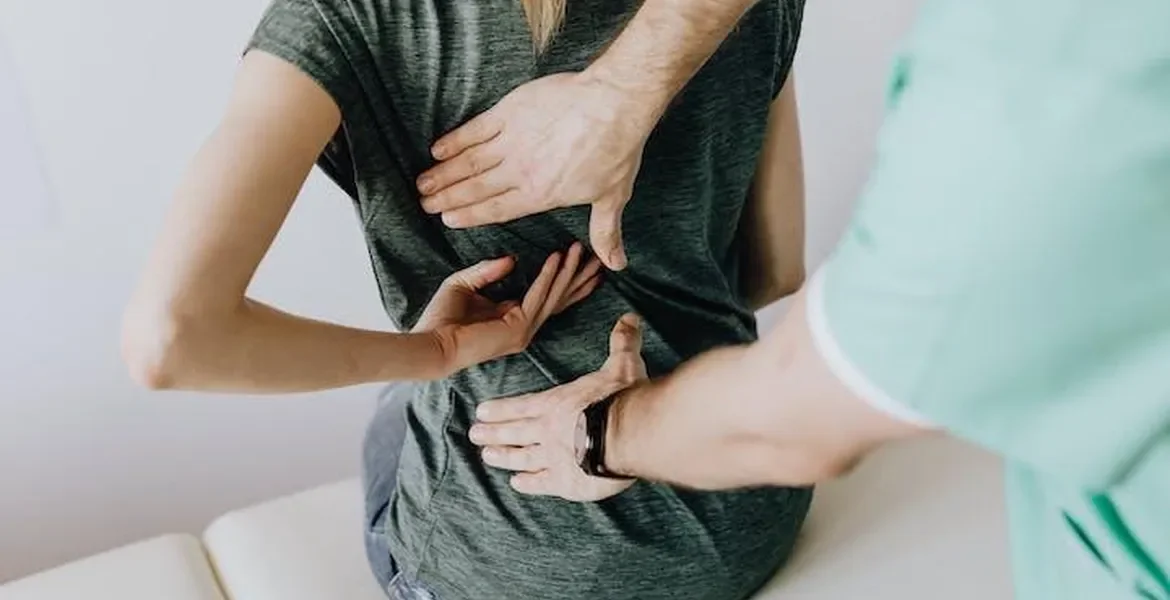
Preventing Sciatica
Sciatica can be debilitating. Preventing sciatica requires some life changes, but it’s worth it.

Fall Is So Yin: Embracing Autumn Energy
“The fall/winter ... is full of yin energy, a darker, softer, slower energy. Now is the time to head indoors, eat warm cooked food, and get close to our loved ones.”

20 Autumn Affirmations to Embrace Shorter, Darker Days
Autumn has a bright and a dark side. Autumn affirmations can help you savor the best parts of the season.

Practice the Art of Affectionate Witnessing
Affectionate witnessing is about being fully present with a person without trying to fix, judge, or add our own agenda. Learn how it can support your relationships with others, as well as your relationship with yourself.

4 Soul Practices for Grieving the World
“Grief will be the keynote for the foreseeable future.” Soul-centered psychotherapist Francis Weller shares wisdom teachings—and hope—for our times.
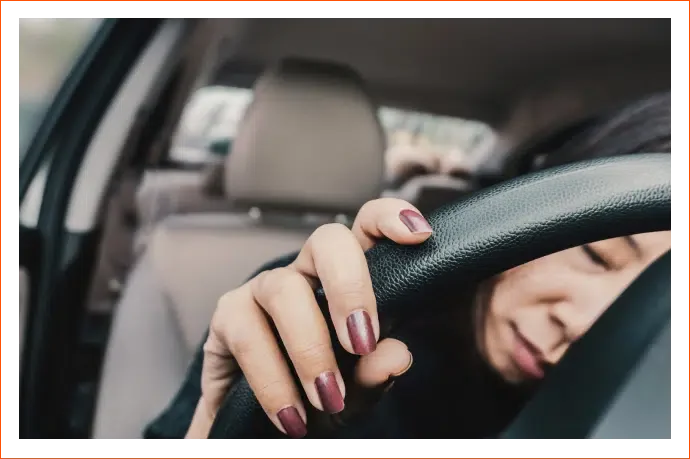
Wake-Up Call on the Road: The Realities of Driving While Fatigued
Driving while fatigued can be a significant hazard, leading to severe accidents, injuries, and even fatalities. Thousands of accidents and hundreds of fatalities occur every year due to fatigued driving, emphasizing the importance of learning to recognize the signs of drowsiness while driving. Get drowsy driving help from our experienced accident lawyers at Chopra & Nocerino, LLP, and learn what to look for and when to consider pulling over for some rest.
