

Are You a Stressaholic? Here’s a Five-Minute Fix
What does it feel like to be in a relaxed state? What triggers me back into a state of stress? What are the signs?
Increasingly over the past couple of years, I’ve been having outbreaks of hives and itchy skin. I finally sat down with an allergist, who gave it to me straight. I am allergic to pineapples, apples, and—get this—anything that touches my skin. Anything that rubs, scratches, or irritates my skin will create the itchy, irritating hives. He said, “Your problem isn’t actually the allergies. It’s stress and anxiety, so I would get that under control if you can.”
Funny. I’ve been trying to get my stress and anxiety under control since I collapsed into a heap of wracking sobs in front of my math teacher in high school because I was in school full time, socializing full time, and working eight-hour days on the weekends, so couldn’t complete my math homework. Ironic, perhaps, that a yoga teacher would struggle so much with stress, but ask any one of us and we will probably tell you that’s how we got into this field in the first place.
It’s not that we are “Type-A” personalities or workaholics. Our culture has been mainlining stress, and we are accidental junkies. We think relaxation is something you do on a vacation that you worked 80-hour weeks for years to “deserve,” and when we see it in everyday life, we recoil in fear and disgust and label it “laziness.”
Yesterday, I noticed a billboard for a coffee shop advertising an even faster way to pay. The image was a coffee mug and a doughnut moving so quickly the doughnut’s sprinkles were flying off. Sitting down for a coffee and a doughnut used to mean a pause from a stressful day, a quiet moment before having to rush off again. Now a “coffee break” is another cog in our Faster Machine.
What appears to be happening is a slow but certain takeover of our sympathetic nervous system (SNS), sometimes called the “stress state,” from the parasympathetic nervous system (PNS), which governs healing and rest. Both systems are always present in the body, but one is usually functioning more than the other. Calling the SNS the “stress state” gives it a bit of a negative connotation, which isn’t quite right. We need stress to survive, and having appropriate periods of stress gets us out of the house in the morning, helps us follow our dreams, and yes, if necessary, helps us run away from a bear.
The problem is that our SNS easily gets stuck in the “on” position. Even when we appear to be relaxed, the SNS is still highly functioning, preventing the PNS from taking over and allowing us to rest, digest, process emotion, and stimulate the immune system. Nightmares and clenched jaws indicate that we can even sleep in a stress state. If you’re like me, being at a low buzz of stress feels so normal that deep relaxation and stillness is so unfamiliar it’s almost uncomfortable. Our stress habits are so strong that, ironically, being comfortable is beyond our comfort zone.
The good news is that even though the SNS is very easily triggered, there are triggers for the PNS as well that we can practice more often to rehabilitate our stress addictions.
The most important tool we can use to retrain ourselves is awareness. What does it feel like to be in a relaxed state? What triggers me back into a state of stress? What are the signs?
In order to see these signs, you must first know what it feels like to be relaxed. Actually relaxed.
Viparita Karani, or Legs Up the Wall, is a yoga pose that strongly stimulates the PNS, and all you need is a floor and a wall or even a bed or couch. If you can get out to a restorative yoga class, even better, but this is one you can do everyday. Always check with your doctor first if you are pregnant or have any health concerns.
Sit with one hip touching the wall. Roll down onto your forearms as you swing your legs up the wall, and shimmy as close to the wall as you feel comfortable. No need to touch the wall with your bum.
Lie on your back, hands on your belly, out to the sides, or up overhead, whichever one feels most comfortable to you. Lifting your legs off the floor tells your body in no uncertain terms that you are not “on the go” right now. Your sprinkles are going to stay firmly on your doughnut here.
If you have a bolster or pillow, slide it under your hips, and adjust it for comfort. If you have a blanket, drape it over your legs for warmth and support. If you have an eye pillow or a scarf, place it over your eyes. Warmth, comfort, quiet, and darkness are a few excellent PNS triggers.
You can stay here for up to 20 minutes if you are comfortable, but five minutes is enough. When you are ready to come out, do so slowly, bending your knees and rolling onto your right side before you come all the way up. Take your time and remember this feeling of relaxation as you notice what triggers you back into your SNS.
Now we have a program for stress rehab. Good luck, and godspeed you keep your sprinkles on.
Written by Julie Peters
Recent Blog Posts
Stress Doesn’t Have to Be Your New Normal
You can’t control your stressors, but you can change the way you respond to them.
Looking back on the pressure cooker of stress that used to be my life, it’s easy to see I was in complete denial about the unsustainable path I was on. I was over-scheduled, overworked, and overwhelmed, but I just couldn’t see another way except to keep plowing ahead. I believed if I just kept going, somehow it would all work out.

7 Steps to Happiness
If at first you flunk this test, smile!
1. Make Your Smile Cheaper
Is being stressed a sign of prosperity, growth, or dignity? Do you give anger freely and smile rarely—as though a smile is costly? In ignorance, anger is cheap and smiling is costly. In knowledge, a smile is free like the sun, air, and water and anger is extremely expensive, like a diamond. Make your smile cheaper and anger expensive! You are here for a greater cause. Just remember that. Take a challenge: “Come what may, I am going to smile today and be happy!” Smile more.

Is It Wisdom or Worry? How to Distinguish Between Intuition and Anxiety
Anxiety and intuition can both feel like a “gut feeling.” Learn how to tell the difference by understanding their unique signatures and discover simple practices to calm your nervous system so you can trust your true inner wisdom.

3 Writing Practices to Untangle and Illuminate Your Life
Try writing new or resequenced versions of past events. Doing so can untangle sticky patterns and open your life to joy.
Patrice Vecchione is an author, poet, and writing teacher who’s been helping people speak their truths for over 40 years. She sees writing as a process of having a conversation with ourselves that’s different from what’s possible through thinking alone.
“Once you get words onto the page, the paper holds them for you, freeing you to think and feel your way into what else there is to consider,” she says. “The words that arrive are almost always surprising. Rarely could we have predicted them.”
30 Spiritual Journaling Prompts for Self-Discovery
Spiritual journaling prompts are questions and ideas to explore spirituality and get to know yourself better.
I often include different journal prompts in my work because I think it’s key to continually maintain a dialogue with ourselves. It’s part of building a healthy relationship, or rather a friendship, with yourself.
As Eleanor Roosevelt said, “Friendship with oneself is all important, because without it one cannot be friends with anyone else in the world.”
The New Meaning of Microdosing: Not Escape, but Engagement
The modern mind rarely rests.
We wake up to notifications, move through the day punctuated by alerts, and end the day with scrolling. We live in a constant-reward environment—yet paradoxically, it’s draining us.
In a world optimized for instant dopamine hits or microbursts of novelty, many feel various states of unease: chronic overstimulation, inability to focus, lack of motivation, flattened emotions, and anxiety. Stillness becomes uncomfortable.

Trust Your Gut: Listening to Your Body’s Second Brain
Your body often knows before your mind does. Learn how to quiet the noise, restore safety, and rebuild trust in the wisdom of your gut, the powerful intuitive system that signals safety, warning, and truth.

Our Walk in the World: Going Off the Deep End
Life simply and harshly demands that we dive into the depth of what we’re given, meeting life, not avoiding it.
When our beloved dog Mira died, there were those who walked with us, honoring the truth of where we were, no matter what had brought us there.

5 Ways to Process the Anger You Thought You Weren't Allowed to Feel
Start observing your anger to truly understand where it should be directed.
If you dislike yourself, you're probably often angry at yourself.
You might express this rage with cutting, starving or some other punishment, including vicious inner narratives: Why did you wear this absurd outfit, idiot? Why did you order that disgusting dish, start that relationship—yes, it was twenty years ago but why?

5 Ways to Make Anger Your Ally
Anger isn’t something to suppress or fear—it’s a powerful ally that protects your boundaries, needs, and authenticity. Discover five practical ways to slow down, listen to what your anger is really saying, and turn it into a wise guide for healthier relationships and greater personal power.

Who Are You Without the Role?
Why are we so programmed to ask “What do you do?” almost immediately after being introduced to someone? Why do we rarely ask, “What matters most to you?” or “What makes your heart sing?”
Our identity is so often reduced to a performance. We learn, implicitly and explicitly, that our value comes from what we contribute, achieve, or produce.

5 Emotional Cleansing Practices
Think of emotional cleansing as similar to the recycling process, the process of reusing something for the greater good.
Decluttering your physical environment can lighten the energy in the atmosphere, but it is important to also take care of your inner environment. The emotions you may have collected over the course of the days, months, or year may be weighing on you. It could be time for an emotional cleanse.
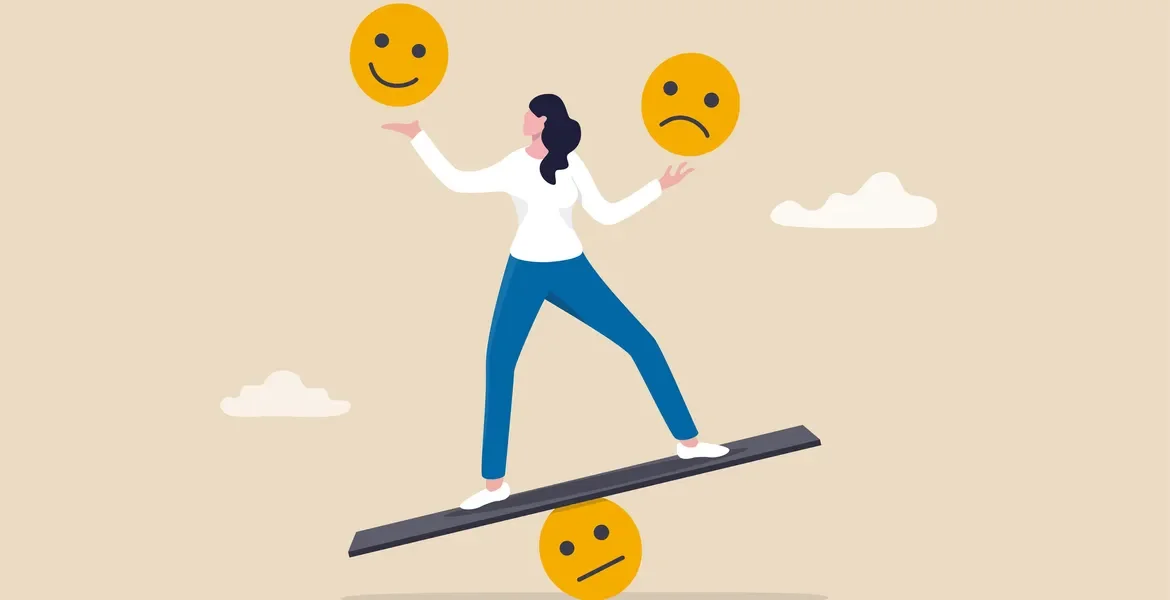
Emotional Detox for When You Feel a Little Off
The purpose of this cleanse is to help you release whatever may be showing up for you psychologically.
There are times when you might not feel well. Perhaps you have a headache, an aching back, or you mentally just aren’t yourself. Maybe you are a bit down in the dumps, grumpy, negative, or are feeling more weary than usual.
Break Free from Chronic Guilt
Psychiatrist Jennifer Reid explains why so many women are plagued by excessive guilt—and how to finally reclaim emotional freedom.
Guilt is a tricky emotion. On one hand, there is adaptive guilt—the uncomfortable emotional signal that arises when we believe we’ve stepped out of alignment with our values. It can nudge us to extend more kindness and generosity, as well as make repairs when we’ve caused harm or fallen short in our relationships.

Finding the Answer Within
Every human carries answers to their deepest desires within; the question is how to reach them.
There are moments in life when something feels misaligned even though everything looks fine on the surface. A partner repeats an argument from a previous relationship in new clothing.
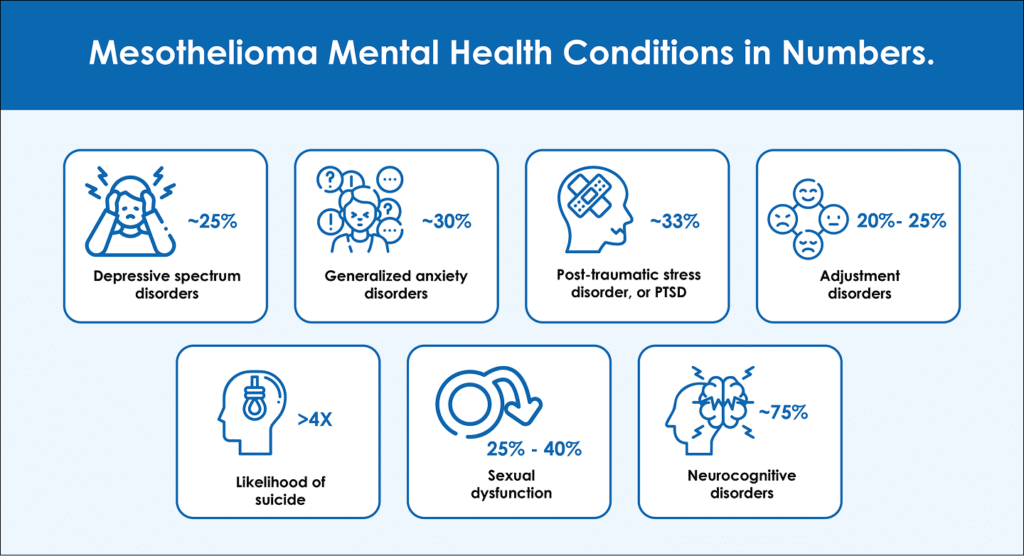
Mental Health and Mesothelioma
While you’re dealing with the physical impacts of mesothelioma on your body, it’s important not to neglect your mental health. Learning healthy coping mechanisms can significantly improve your quality of life, serving as a resource you can draw upon through every step of the mesothelioma treatment process.
The Sacred Void: When Healing Feels Like Emptiness
The emptiness you’re feeling isn’t a breakdown—it’s a breakthrough. Embrace the sacred, silent space where your true purpose finally gets its chance to grow.

Making Space for Inspiration: Wellness as a Creative Practice
Overcome burnout and reignite creativity with yoga, meditation, and honoring energy cycles to co-create joy with Spirit.
ve always been bursting with creativity. When I was little, I hosted game shows in my living room, convinced my cousins to be my backup dancers, and launched new craft projects like it was my side hustle. (I actually tried to sell my parents a picture from second-grade art class for two dollars.

5 Ways to Get Outside
According to outdoor supplier REI, the average American spends 95 percent of their life inside. Most of us work, study, eat and enjoy leisure activities like watching movies, all in the climate-controlled indoors.
