

Are You a Stressaholic? Here’s a Five-Minute Fix
What does it feel like to be in a relaxed state? What triggers me back into a state of stress? What are the signs?
Increasingly over the past couple of years, I’ve been having outbreaks of hives and itchy skin. I finally sat down with an allergist, who gave it to me straight. I am allergic to pineapples, apples, and—get this—anything that touches my skin. Anything that rubs, scratches, or irritates my skin will create the itchy, irritating hives. He said, “Your problem isn’t actually the allergies. It’s stress and anxiety, so I would get that under control if you can.”
Funny. I’ve been trying to get my stress and anxiety under control since I collapsed into a heap of wracking sobs in front of my math teacher in high school because I was in school full time, socializing full time, and working eight-hour days on the weekends, so couldn’t complete my math homework. Ironic, perhaps, that a yoga teacher would struggle so much with stress, but ask any one of us and we will probably tell you that’s how we got into this field in the first place.
It’s not that we are “Type-A” personalities or workaholics. Our culture has been mainlining stress, and we are accidental junkies. We think relaxation is something you do on a vacation that you worked 80-hour weeks for years to “deserve,” and when we see it in everyday life, we recoil in fear and disgust and label it “laziness.”
Yesterday, I noticed a billboard for a coffee shop advertising an even faster way to pay. The image was a coffee mug and a doughnut moving so quickly the doughnut’s sprinkles were flying off. Sitting down for a coffee and a doughnut used to mean a pause from a stressful day, a quiet moment before having to rush off again. Now a “coffee break” is another cog in our Faster Machine.
What appears to be happening is a slow but certain takeover of our sympathetic nervous system (SNS), sometimes called the “stress state,” from the parasympathetic nervous system (PNS), which governs healing and rest. Both systems are always present in the body, but one is usually functioning more than the other. Calling the SNS the “stress state” gives it a bit of a negative connotation, which isn’t quite right. We need stress to survive, and having appropriate periods of stress gets us out of the house in the morning, helps us follow our dreams, and yes, if necessary, helps us run away from a bear.
The problem is that our SNS easily gets stuck in the “on” position. Even when we appear to be relaxed, the SNS is still highly functioning, preventing the PNS from taking over and allowing us to rest, digest, process emotion, and stimulate the immune system. Nightmares and clenched jaws indicate that we can even sleep in a stress state. If you’re like me, being at a low buzz of stress feels so normal that deep relaxation and stillness is so unfamiliar it’s almost uncomfortable. Our stress habits are so strong that, ironically, being comfortable is beyond our comfort zone.
The good news is that even though the SNS is very easily triggered, there are triggers for the PNS as well that we can practice more often to rehabilitate our stress addictions.
The most important tool we can use to retrain ourselves is awareness. What does it feel like to be in a relaxed state? What triggers me back into a state of stress? What are the signs?
In order to see these signs, you must first know what it feels like to be relaxed. Actually relaxed.
Viparita Karani, or Legs Up the Wall, is a yoga pose that strongly stimulates the PNS, and all you need is a floor and a wall or even a bed or couch. If you can get out to a restorative yoga class, even better, but this is one you can do everyday. Always check with your doctor first if you are pregnant or have any health concerns.
Sit with one hip touching the wall. Roll down onto your forearms as you swing your legs up the wall, and shimmy as close to the wall as you feel comfortable. No need to touch the wall with your bum.
Lie on your back, hands on your belly, out to the sides, or up overhead, whichever one feels most comfortable to you. Lifting your legs off the floor tells your body in no uncertain terms that you are not “on the go” right now. Your sprinkles are going to stay firmly on your doughnut here.
If you have a bolster or pillow, slide it under your hips, and adjust it for comfort. If you have a blanket, drape it over your legs for warmth and support. If you have an eye pillow or a scarf, place it over your eyes. Warmth, comfort, quiet, and darkness are a few excellent PNS triggers.
You can stay here for up to 20 minutes if you are comfortable, but five minutes is enough. When you are ready to come out, do so slowly, bending your knees and rolling onto your right side before you come all the way up. Take your time and remember this feeling of relaxation as you notice what triggers you back into your SNS.
Now we have a program for stress rehab. Good luck, and godspeed you keep your sprinkles on.
Written by Julie Peters
Recent Blog Posts
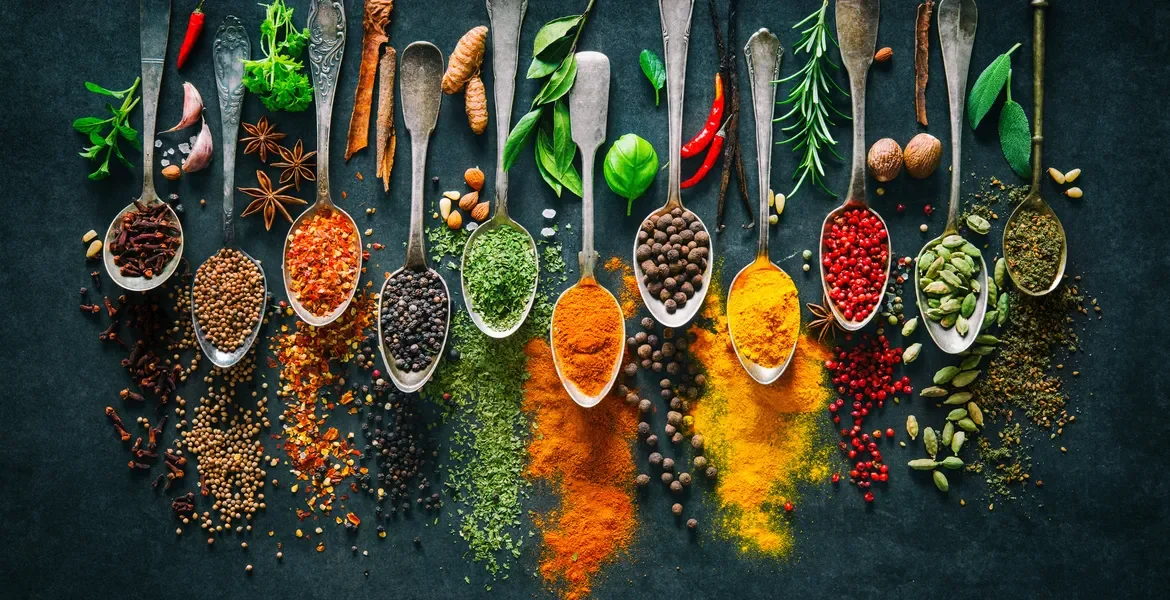
Ayurvedic Spices to Ignite Your Digestion This Holiday Season
Be an at-home apothecary and avoid Vata aggravation with these Ayurveda-friendly spices for digestion.
In late autumn and early winter, Vata dosha takes over. Of all the three doshas, Vata—whose qualities are dry, light, cool, rough, subtle, and mobile—is the one that can be the most challenging to keep balanced. And imbalance during this time most certainly affects digestion.

6 Ways to Fight Holiday Insomnia
An expert in cognitive behavioral therapies targeting better sleep provides six strategies to help you ward off sleeplessness during the holidays.
This may be the most wonderful time of the year, but the holidays can also cause sleepless nights for many people. Nicole Moshfegh, author of The Book of Sleep: 75 Strategies to Relieve Insomnia, says the biggest reason insomnia increases around the holidays is because anxiety often ramps up during the season.

8 Tricks for Controlling Holiday Binge Eating and Drinking
Avoid overeating and drinking too much this holiday season by mindfully focusing on giving yourself pleasure rather than trying to numb the stress.
Cookies, chocolate, traditional desserts, eggnog, and the wine flowing at all those holiday parties are part of what makes the holidays happy! But the holidays can also be stressful. Family matters, cyclic grief, and having to shop at the mall—these can all contribute to an urge to reach for sugar and alcohol. How do we go into the holidays ready to enjoy these special treats without giving ourselves a hangover?
5 Ayurvedic Tips for Thriving During the Holidays
Ayurvedic wisdom can help us have a healthier and happier holiday season—learn how with these five tips.
The ancient healing science of Ayurveda teaches us that our health and wellness depend on our digestion. Digestion in this context also includes our ability to digest and assimilate everything we take in from the world around us—words, emotions, impressions, and all other experiences that we integrate through our senses. Our agni (digestive fire) absorbs what we need and eliminates what’s not useful. To survive the holidays, it’s crucial to make sure your agni is lit and nourished.

You May Be Eating the Right Foods … But Are You Getting Everything Out of Them?
Discover how digestive enzymes help break down proteins, fats, and carbohydrates for nutrient absorption, and explore how AriseNzyme's full-spectrum digestive enzyme formula is designed to support digestion and everyday gut health.

How Mindfulness Can Help Us Forgive Betrayal
Is it possible to forgive infidelity and to overcome the emotional pain of betrayal?
It is, suggests a new study published in the journal Mindfulness—if you can feel some compassion for yourself.
The study—the first to examine the relationship between mindfulness and forgiveness of infidelity—surveyed 94 adults who had been cheated on by a partner. They reported on their levels of forgiveness, which involves feeling in control of their emotions, having a balanced view of the relationship (rather than vilifying their partner as wholly evil), and being ready to let go of anger and put the affair behind them.

Cherry Almond Meal Muffins
When I wake up in the morning, the first thing I do is a little yoga to stretch my limbs and wake my body up. The second thing I do is prepare breakfast. We've all heard that you shouldn't skip breakfast, but I think what's more important is fueling it with the right choices

Rethinking Breakfast ... Maybe
Not hungry in the morning? Here is what Ayurveda tells us about eating breakfast.
Despite what you may have heard, it turns out that breakfast may not be the most important meal of the day. Scientific studies have finally begun to verify what Ayurveda has advised for centuries: not everyone must eat a big meal in the morning. According to Ayurveda, what you eat in the morning, and how much, depends on whether you are hungry and how active you have been since rising.

How to Create a Morning Routine that Inspires You
Set the tone for your day by developing a morning routine that engages your imagination.
For many of us the morning goes something like this: We hit snooze several times, reach for our phones to scroll social media and then begrudgingly stumble out of bed. We turn on the shower, with our eyes still closed. We grab breakfast on the way out the door.

Release Your Stress for a Good Night’s Sleep
Stress can make getting to sleep at night a very real challenge.
Do you tend to ruminate on the negative events of your past or the fears of tomorrow? Many of us do. When we allow this pattern to continue, however, daily stresses and traumas have a way of building themselves up in our psyches, and even in our bodies, causing chronic mental and physical tension. This can make getting to sleep at night a very real challenge.

The Best Position for Sleep and 7 Reasons to Find Yours
Try these tips for getting comfortable in your favorite sleeping position.
The founder of the CALM app wrote a book offering sleep tips and information; here’s a taste of what’s inside.
Back, Side, or Front? The Best Sleeping Position
Since humans climbed down from the trees to sleep lying on the ground, the quest for the comfiest night’s sleep has been on. But apart from the mattress you lie on, the sleep position you adopt could be disrupting your sleep, not improving it.

Natural Stress Relief
It is possible to live a stress-free life with completely natural methods.
Sponsored Content from A Wholesome Remedy
“I’m so stressed” has become such a common saying at this point, that it's almost a cliché. In the ever faster pace of daily life, we are constantly bombarded with stimuli. 24/7 news is always delivering the latest problem or crisis, pressure at work, and social media providing constant standards to compare yourself to. These are just some of the burdens of modern life, so its no wonders people are feeling tense and burned out.

Healthy Aging Secrets from The Amazon
What if you were 80 years old but felt only 50? Shaving three decades off the aging process isn’t realistic, but a study showed that there are ways to keep your arteries, at least, feeling youthful. Researchers found that the Tsimane people (pronounced chee-mah-nay), of the Bolivian Amazon, have the lowest reported levels of vascular aging for any population studied.

5 Easy Ways To Restart Your Metabolism With Ayurveda
Increase metabolism with Ayurveda—5 easy internal and external therapies.
At one point or another, just about all of us have tried to lose weight. With almost 75 percent of the American population either overweight or obese, this challenge is becoming seemingly more insurmountable every day.

The Benefits of Drinking Warm Water
The Ayurvedic practice of drinking warm water has shown to impact digestion, improve skin health, and promote weight loss.
When I was a little girl, I remember my mother would dissuade us from drinking ice-cold water. She maintained it was disruptive for digestion and terrible for the skin.

5 Ayurvedic Herbs to Help Navigate Impotence
According to Ayurveda, there are three pillars of health, the first two being diet (ahara) and sleep (nidra). Brahmacharya, which means "celibacy,” is the third pillar, and it represents the proper management of sexual activities.
These three together form the foundation on which one can build a life of health and longevity. They are so important that one of the most revered classical Ayurvedic texts, the Charaka Samhita, states that “one who manages these three pillars properly is guaranteed a full life span that will not be cut short by disease.”

Is Now the Best Time to Fast? The Doctor Says Yes
Dr. Andreas Michalsen, author of The Fasting Fix, uses fasting to treat a number of diseases from osteoarthritis, rheumatoid arthritis, diabetes, and hypertension to cardiovascular disease, early stages of dementia, Crohn’s disease, and irritable bowel disease.

9 Fresh Juice Recipes for Renewal and Relief
These fresh juice recipes support energy, immunity, detox, and overall wellness.
With these easy recipes, you’ll be on the road to better health. Drink juices as soon as possible after they’re prepared. (For more on the health benefits of fresh-made juice, see "Juice Revolution: How to Drink Your Way to Better Health.")

Regulation Is the New Self-Love
Regulation is the foundation of real self-love. Learn how calming your nervous system through small, consistent practices can help you move from burnout and overwhelm to sustainable energy, clarity, and genuine self-care.
