

Are You a Stressaholic? Here’s a Five-Minute Fix
What does it feel like to be in a relaxed state? What triggers me back into a state of stress? What are the signs?
Increasingly over the past couple of years, I’ve been having outbreaks of hives and itchy skin. I finally sat down with an allergist, who gave it to me straight. I am allergic to pineapples, apples, and—get this—anything that touches my skin. Anything that rubs, scratches, or irritates my skin will create the itchy, irritating hives. He said, “Your problem isn’t actually the allergies. It’s stress and anxiety, so I would get that under control if you can.”
Funny. I’ve been trying to get my stress and anxiety under control since I collapsed into a heap of wracking sobs in front of my math teacher in high school because I was in school full time, socializing full time, and working eight-hour days on the weekends, so couldn’t complete my math homework. Ironic, perhaps, that a yoga teacher would struggle so much with stress, but ask any one of us and we will probably tell you that’s how we got into this field in the first place.
It’s not that we are “Type-A” personalities or workaholics. Our culture has been mainlining stress, and we are accidental junkies. We think relaxation is something you do on a vacation that you worked 80-hour weeks for years to “deserve,” and when we see it in everyday life, we recoil in fear and disgust and label it “laziness.”
Yesterday, I noticed a billboard for a coffee shop advertising an even faster way to pay. The image was a coffee mug and a doughnut moving so quickly the doughnut’s sprinkles were flying off. Sitting down for a coffee and a doughnut used to mean a pause from a stressful day, a quiet moment before having to rush off again. Now a “coffee break” is another cog in our Faster Machine.
What appears to be happening is a slow but certain takeover of our sympathetic nervous system (SNS), sometimes called the “stress state,” from the parasympathetic nervous system (PNS), which governs healing and rest. Both systems are always present in the body, but one is usually functioning more than the other. Calling the SNS the “stress state” gives it a bit of a negative connotation, which isn’t quite right. We need stress to survive, and having appropriate periods of stress gets us out of the house in the morning, helps us follow our dreams, and yes, if necessary, helps us run away from a bear.
The problem is that our SNS easily gets stuck in the “on” position. Even when we appear to be relaxed, the SNS is still highly functioning, preventing the PNS from taking over and allowing us to rest, digest, process emotion, and stimulate the immune system. Nightmares and clenched jaws indicate that we can even sleep in a stress state. If you’re like me, being at a low buzz of stress feels so normal that deep relaxation and stillness is so unfamiliar it’s almost uncomfortable. Our stress habits are so strong that, ironically, being comfortable is beyond our comfort zone.
The good news is that even though the SNS is very easily triggered, there are triggers for the PNS as well that we can practice more often to rehabilitate our stress addictions.
The most important tool we can use to retrain ourselves is awareness. What does it feel like to be in a relaxed state? What triggers me back into a state of stress? What are the signs?
In order to see these signs, you must first know what it feels like to be relaxed. Actually relaxed.
Viparita Karani, or Legs Up the Wall, is a yoga pose that strongly stimulates the PNS, and all you need is a floor and a wall or even a bed or couch. If you can get out to a restorative yoga class, even better, but this is one you can do everyday. Always check with your doctor first if you are pregnant or have any health concerns.
Sit with one hip touching the wall. Roll down onto your forearms as you swing your legs up the wall, and shimmy as close to the wall as you feel comfortable. No need to touch the wall with your bum.
Lie on your back, hands on your belly, out to the sides, or up overhead, whichever one feels most comfortable to you. Lifting your legs off the floor tells your body in no uncertain terms that you are not “on the go” right now. Your sprinkles are going to stay firmly on your doughnut here.
If you have a bolster or pillow, slide it under your hips, and adjust it for comfort. If you have a blanket, drape it over your legs for warmth and support. If you have an eye pillow or a scarf, place it over your eyes. Warmth, comfort, quiet, and darkness are a few excellent PNS triggers.
You can stay here for up to 20 minutes if you are comfortable, but five minutes is enough. When you are ready to come out, do so slowly, bending your knees and rolling onto your right side before you come all the way up. Take your time and remember this feeling of relaxation as you notice what triggers you back into your SNS.
Now we have a program for stress rehab. Good luck, and godspeed you keep your sprinkles on.
Written by Julie Peters
Recent Blog Posts

Are You in a Mutually Selfless Relationship?
Your relationship can thrive when you advocate for your needs and the needs of your partner.
5 Ways to Avoid Losing Muscle Mass
Keeping muscle as we age.
A friend of mine just moved her elderly mother into a new living situation. Her mom had fallen, twice, and it was only a matter of time before she seriously hurt herself. Falls become more common as we age due to something called sarcopenia, which is a loss of muscle.
Aging with Awareness by Giving Up Alcohol
Unity minister Ogun Holder offers wisdom for aging with self-awareness and consciousness through his experience giving up alcohol.

5 Daily Rituals to Honor Your Inner Elder
Explore how to honor your Inner Elder and celebrate the aging process with contemplation, journaling, meditation, and these five daily rituals.

The Antidote to Toxic Positivity
“Good Vibes Only.” It’s a T-shirt slogan meant to invite joy and positivity, but it has a shadow, too. Feeling a little down or tired today? Insecure about your weight? What about generally anxious about living in a pandemic?
Got a Busy Schedule? You May Not Need More Time, Just Energy and Perspective
Do you keep a running to-do list that never seems to end? Do self-directed commands such as “send emails” or “write resume” or “buy salad ingredients” always end up on tomorrow’s list because of a lack of time today? You may even find yourself saying, “There just aren’t enough hours in the day!”
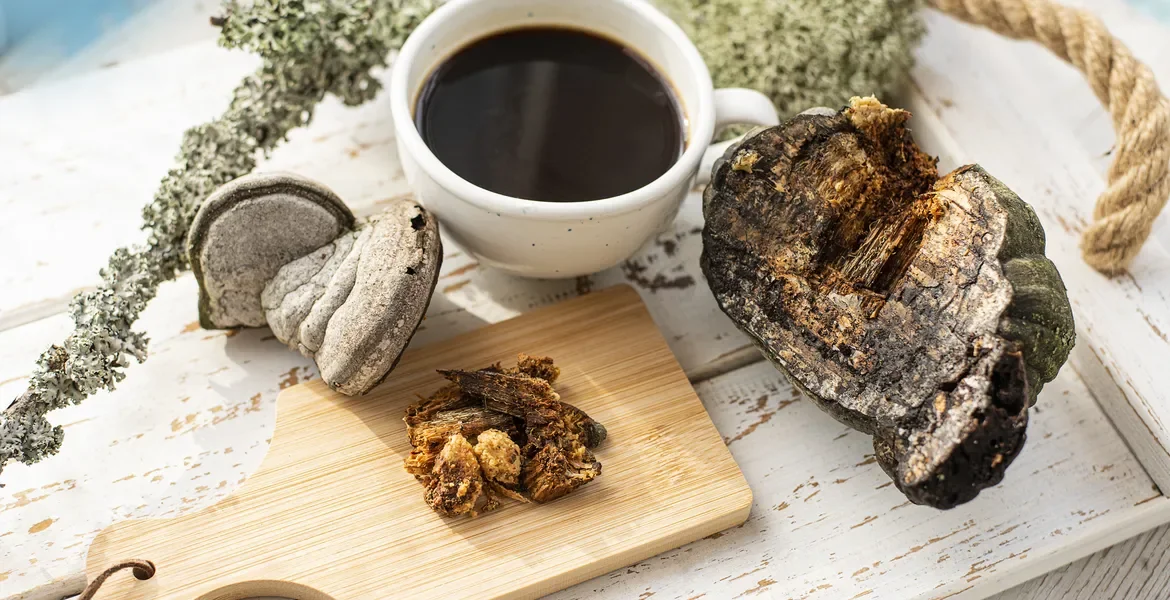
5 Adaptogenic and Herb-Infused Coffee Alternatives to Combat Anxiety
These five tasty alternatives to standard coffee can help boost your energy without giving you the jitters.

25 Healing Self-Love Affirmations
Self-love doesn’t always come easy, but affirmations can help. “I love who I am becoming and embrace all that I am” is just one of these 25 self-love affirmations.

Self-Compassion Isn’t Soft or Selfish. It’s Your Edge.
Learn to extend compassion to yourself with practical steps. Discover how self-compassion transforms care for others into a balanced, sustainable practice.

Bathing in Citrus Magick
Boost your immune system, your spiritual energy, or both with a citrus bath. Discover the benefits of specific citrus fruits
How Listening to Your Gut Can Curb Anxiety: An Eater’s Guide
Most of us are pretty familiar with how anxiety feels in our body. When you have anxious thoughts, your body responds with a tightening in the stomach, nausea, gas, heartburn, and indigestion. The connection between your brain and your gastrointestinal tract goes the other way as well.

5 Ways to Reduce Exposure to Toxic Fire Retardants
Back in the 1970s, flame-retardants were introduced to make furniture safer around smokers. The U.S. Consumer Product Safety Commission has since decided they are of little use in protection from deadly fires. However, their use is still widespread, and, according to the Center for Environmental Health, the chemicals are found in the bodies of 97 percent of Americans tested.

How to Manifest Deep, Restful Sleep Each Night
Try this simple visualization exercise to manifest the best night’s sleep ever tonight.
When we think of manifestation, we often think of the process of acquiring tangible items. Many people associate manifestation with efforts to acquire money, cars, homes, or opportunities to travel. Manifestation is simply the process of cultivating the desire and the feeling of what we want, and having it arrive for us. If what we desire most is a full night’s rest, why not manifest deep, restful sleep?

Gratitude: An Act of Truth Telling
An excerpt from Ambition Addiction: Giving Thanks on the Road to Recovery.
The practice of gratitude functions, first and foremost, as an act of truth telling. When we give thanks, we tell it like it is. Life is fragile, death is undeniable, and, by the grace of God or by an act of fate or just by virtue of how the capricious cookie crumbled, we’ve ended up, right here, right now, topside. Phew! Worked out pretty well, all things considered.

3 Essential Practices for Gratitude
Experience more fullness of heart with these exercises embracing gratitude as a spiritual practice.

5 Ways to Spread Joy This Thanksgiving
Thanksgiving is an opportunity to spread some joy. Discover five easy ways to brighten someone else’s holiday.
How Giving Thanks Changes Communities
The impacts of gratitude on our communities.

16 Affirmations for Surrender and Trust
Stuck and disappointed? Affirmations for surrender and trust can help get you through.
Have you thought about your thoughts lately? Chances are your thoughts have a mind of their own, and it’s often why we feel so frustrated, stressed, or stuck. Retraining your brain to focus on the good is possible and easier than you think.
Loving Through Change
Non-attachment is a pretty familiar concept within the worlds of yoga and meditation. In Buddhism, the word anicca refers to the concept of impermanence, that nothing stays the same.
