
Senior Years Don't Have to Be Lonely
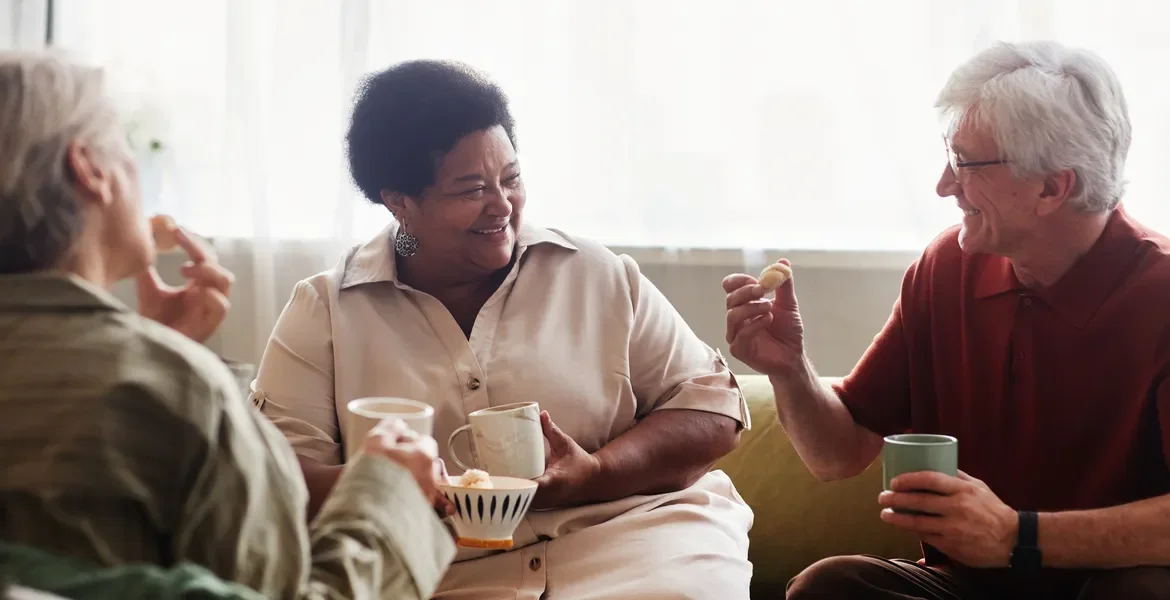
Loneliness in your senior years doesn’t have to be inevitable. Discover 8 practical, heartfelt ways to build connection, cultivate friendships, and create meaningful community—no matter your age or personality
I recently reached out to an acquaintance who was having complications after a serious surgery. We were not intimate friends, but I was concerned because she lives alone, wasn’t socializing much, and couldn’t be as physically active as usual. She told me she deeply appreciated my checking in with her.
I realized later that showing support to people whom I don’t know very well is one way I cultivate friendships. At 74, I’m in the demographic where isolation and loneliness are common. A 2023 national poll found that almost 40 percent of US adults aged 50–80 reported feeling lonely. Social isolation and chronic loneliness are a serious problem. They increase the risk of many physical and mental health conditions, including heart disease and stroke, high blood pressure, depression, anxiety, and cognitive decline. In fact, chronic loneliness is comparable to smoking more than 15 cigarettes a day.
What exactly is loneliness? It’s not simply being alone; in fact, most of us have had the experience of feeling lonely in a large group. I define it as the difference between how much time we spend with people and how much time we want to spend with people. The wider the gap, the more intense the loneliness.
Although I’ve experienced isolation in the past, I rarely feel lonely today because I keep plugging away at making friends. I’ve noticed that friendship doesn’t just happen as we age—it takes energy and initiative. Here are eight strategies I’ve stumbled upon that help me cultivate friendships. While I’m a moderate extrovert, these can all be adapted to different personality styles.
1. Circulating
Friendships are more likely to develop if you’re out and about. Twenty years ago, while standing in line for a concert, I met a woman who is now a close friend. If I’d stayed home, I would never have met her. Next week I’m going to an art opening, where I know I’ll see some familiar people and also meet some new folks. Similarly, several times a week I go to a yoga class, an ideal place to create friends since I see the same people over and over.
2. Building good will
When I reached out to the woman who had had surgery, I was making a deposit into what’s called the “emotional bank account,” a psychological metaphor created by John Gottman, Ph.D., a prominent researcher and clinical psychologist known for his studies on relationships. We build trust by making positive “bank deposits,” like showing concern, listening, and offering our time. Goodwill gestures like these don’t create friendships right away, but they’re a great start.
3. Inviting someone to have tea or go on a walk
I’ve made two friends in this way in the last year. It doesn’t always work, of course. Sometimes I’ll meet with someone and come away disappointed because the chemistry wasn’t there. But I keep prospecting, because at my age people tend to move away to be near their children. Others lose their memory or outright die.
4. Stretching beyond your comfort zone
Each of us has a different definition of what’s comfortable. I don’t like small talk, for example, but I recognize that I’m not likely to make friends without it, and it’s a necessary stage of getting to know someone. So sometimes I push myself. Recently, for example, I complimented the woman next to me in yoga class on her very pretty mat, and after class we had a friendly conversation.
5. Asking for help
A few years ago I was struggling with an essay I was writing about the long-ago death of my younger brother. I went on a 24-hour solo retreat near my home so I could work free of distractions. That afternoon, during a stroll through the neighborhood, I suddenly thought of an old high school friend who was an editor and decided to ask her for feedback on my draft. In the process of sharing about my very tender and intimate essay subject, we connected deeply, and today, although we live on opposite sides of the country, we stay in close touch. I love having a friend I’ve known for 60 years.
6. Seeking friends of all ages
My father, who lived to 101, told me something when he was a “youngster” of 80 that I’ve never forgotten: It’s a good idea to have younger friends, because the older you get, the more you’ll lose your peers. I’ve followed his advice, and today two of my friends are about 15 years younger than I am.
7. Meeting people outside
Jessica Finlay, Ph.D., a researcher in the field of health geography at the University of Colorado in Boulder, found that people feel more comfortable approaching others outdoors. Indeed, my husband and I became friends with a couple we met at the beach, as well as a woman we met while hiking.
8. Reframing loneliness
While chronic loneliness is dangerous for our health, I believe occasional loneliness is part of the human condition. I think of it as similar to catching a cold: unpleasant but temporary. On the rare occasions when I feel lonely, I reframe my attitude and try to embrace it. I remind myself of the gifts of solitude—like, I get to do whatever I please! Read a book, lie under a tree, prepare a special meal, take a nap. Plus, occasional loneliness always makes me appreciate my loved ones more, as well as feel more compassion for others who experience loneliness long-term.
Mulling over my friends past and present, I think of the message I learned from the round I used to sing in Girl Scouts when I was 9: “Make new friends, but keep the old / One is silver, and the other gold.” This timeless truth still applies to life today.
by Louisa Rogers
Request your copy of the free booklet, Creating Community as We Age.
