
Migraines and Driving: What Every Driver Needs to Know
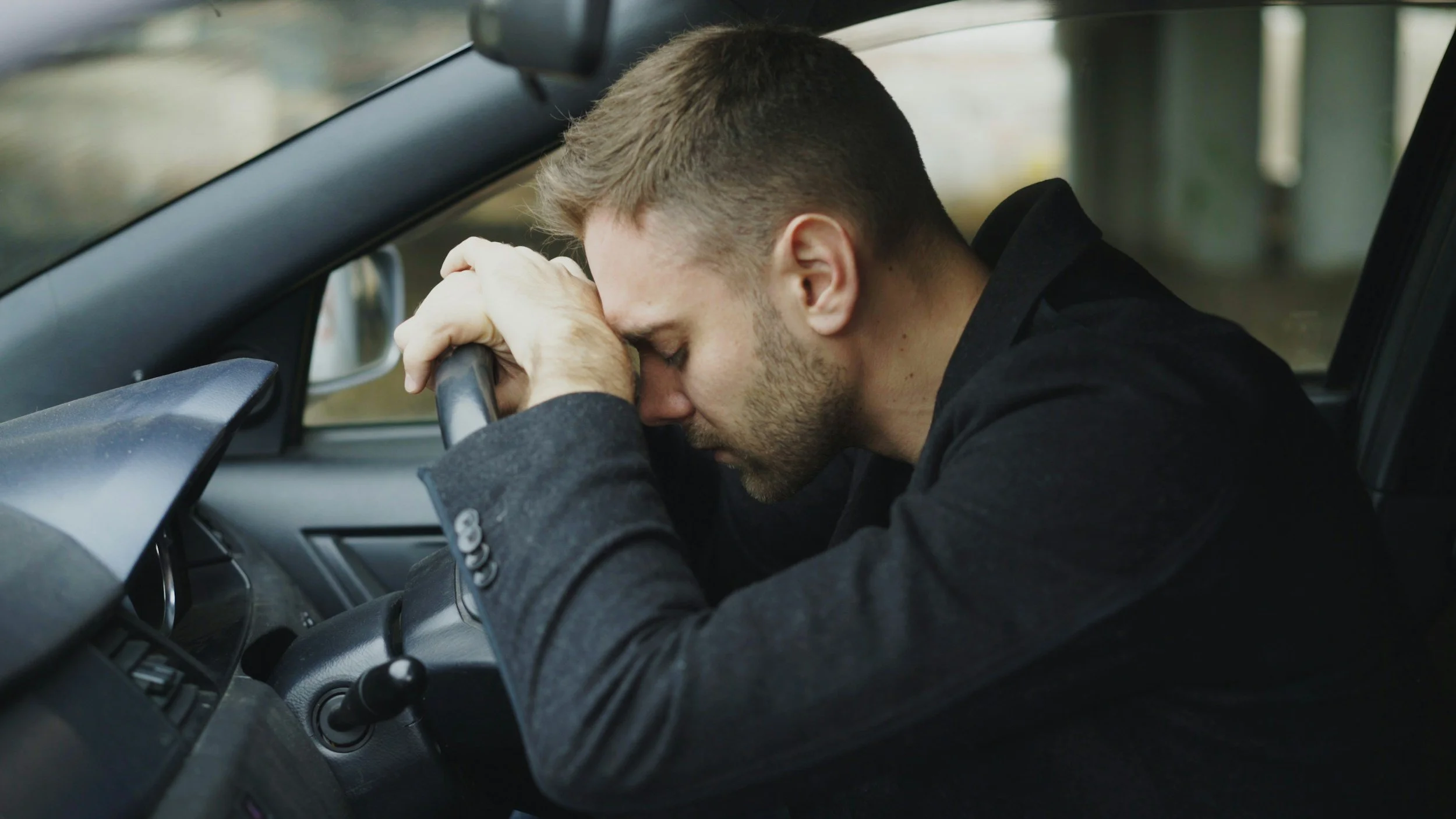
Migraines and Driving: What Every Driver Needs to Know
About 12% of Americans—roughly 39 million people—experience migraines, a neurological condition that causes debilitating headaches. If you get migraines, you know how hard it is to drive when they strike. The pain alone is enough to affect concentration, but this is only one of many symptoms that impact driving. Light and sound sensitivity make sunlight, headlights, sirens, and horns unbearable. Blinking lights aggravate dizziness and nausea.
This guide provides important information about the physical and legal risks of driving with a migraine, with guidance for keeping yourself and others safe.
What Is a Migraine and Why It Matters on the Road
A migraine is more than just a headache. It is a complex neurological condition that occurs repeatedly and affects the entire body. Most migraines cause throbbing pain on one side of the head, severe enough to interfere with normal activities. Migraines also cause the following symptoms:
Sensitivity to light, or photosensitivity
Sensitivity to sound, or phonosensitivity
Nausea and vomiting
Visual disturbances
Confusion
Dizziness
Muscle weakness
Fatigue
Uncontrollable yawning
About 25% of migraine sufferers experience auras up to an hour before a migraine. An aura may look like blurred vision, flashes of light, wavy lines, or blind spots.
Driving exposes you to bright lights, loud noises, and stressful environments that can aggravate or trigger migraines.
The Risks of Driving During a Migraine
According to a 2020 study, 66% of drivers with chronic migraine avoided driving when their pain was severe. Driving with a migraine can put you and others at serious risk because of visual impairment, delayed reaction time, and sensitivity to light and sound.
Vision Impairment
Vision impairment can occur before, during, and after a migraine. You may experience blurred vision, blind spots, flashes of light, and visual distortions. These disturbances could keep you from seeing cars in intersections or pedestrians crossing the street. You may not notice potholes or debris on the road. You may have trouble judging distances and staying in your lane.
Delayed Reaction Time
The intense pain of a migraine can interfere with concentration as you make adjustments to cope, sometimes unconsciously. You may move your head more slowly, so you take longer to notice hazards. Brain fog and drowsiness could slow your brain processing time, so you are unable to respond as quickly to hazards as you usually would. Here are a few examples of hazards you might not respond to on time because of your symptoms:
The car in front of you stopping suddenly
A pedestrian crossing unexpectedly
An animal crossing the road
A traffic light changing color
Unexpected objects in the road
Sensitivity to Light and Sound
Light sensitivity during a migraine is dangerous whether you drive during the day or night. During the daytime, you may need to drive into the sun. Sunlight can also affect you through your rearview mirror or by reflecting off surfaces. This can be more blinding than usual during a migraine. Light flickering between trees and rapid transitions from shade to brighter areas can cause involuntary eye closing or temporary blindness when you have a migraine. Oncoming headlights and blinking lights at night can be disorienting, and distances can be hard to judge.
Recognizing your limitations is an important step in forming a plan for staying safe during migraine attacks on the road.
Migraine Stages
You may experience warning signs ahead of a migraine and lingering effects afterward. These extra symptoms are stages of migraines known as prodrome and postdrome. The prodrome phase may cause uncontrollable yawning, food cravings, and mood changes during the days or hours leading up to a migraine. After the migraine subsides, you may experience the postdrome stage for up to two days, which can include exhaustion, confusion, difficulty concentrating, and dizziness.
Click HERE to continue reading this article!
