
Learning to Rest While Moving
Spiritual Practices
Rest isn’t just about stopping. Discover how to release unnecessary tension and find calm while moving through your daily life—turning ordinary moments into quiet opportunities for ease and renewal.
Most among us believe rest only happens when life pauses.
We wait for the perfect conditions: maybe a free day or a quiet room. Only when responsibilities loosen their grip do we tell ourselves we can rest. Meanwhile, we must keep going, holding tension in the body and urgency in the mind. Rest becomes something postponed, something earned, something fragile.
For a long time, I lived this way. But slowly and without planning it, I learned something different: Rest is not an event. It is a way of relating to what is already happening.
This understanding did not arrive during meditation or solitude. It arrived in motion.
I noticed my body was bracing itself against the day. Shoulders lifted without reason. Breath shortened during ordinary tasks. Jaw clenched while waiting, walking, listening. None of these moments were dramatic, yet together they formed a constant state of quiet resistance.
The world was not demanding urgency, but I was supplying it.
I began to experiment with a simple shift. Instead of asking myself, When can I rest? I instead asked, What can I let go of? The answers were immediate and physical.
Softening Without Stopping
One of the most powerful discoveries I made from my personal experience was that rest does not require stopping what you are doing; it demands the release of the extra effort layered on top of whatever you’re doing.
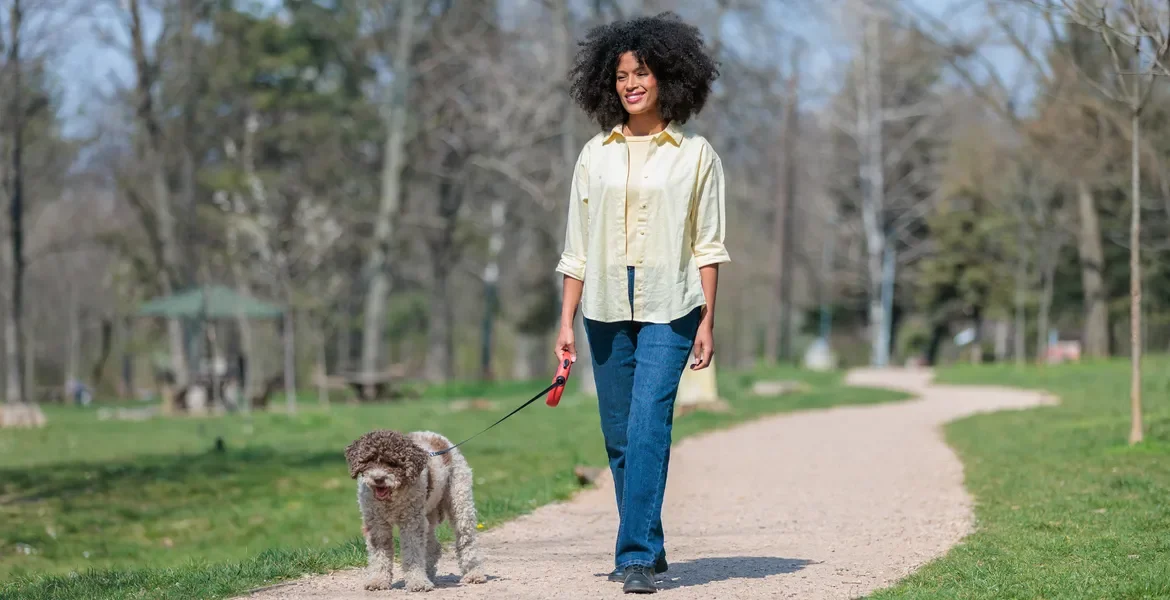
I tried letting my arms swing naturally instead of stiffly when I walked and while standing. I felt the ground carry my weight instead of holding myself upright through tension. While listening to someone speak, I noticed when I leaned forward internally, preparing a response before it was needed.
Every release was small and close to unnoticeable, yet the effect was cumulative. Energy returned—not because I added something new, but because I stopped leaking energy through unnecessary strain.
This kind of rest is subtle. It does not announce itself. It feels more like remembering something the body already knows.
Rest as Relationship
I also began to see rest as a relationship rather than a technique.
When we treat rest as a reward, we approach it with demands that must be met. When we treat it as an escape, we approach it with avoidance. But when rest becomes a relationship, it makes itself available in ordinary moments.
Now while I’m waiting, I allow stillness instead of distraction. While working, I notice pauses between actions. While speaking, I let silence exist without rushing to fill it. These moments do not slow life down. They steady it.
Over time, I noticed a shift in how I responded to difficulty. Challenges still appeared. Noise still existed. Pressure did not disappear. But I met these experiences with a softer body and a wider attention.
Rest, I realized, is not the absence of effort. It is effort aligned with reality.
The Strength of Ease
This practice doesn’t require stepping away from life or becoming calmer than we naturally are. It starts with noticing how we often tense up before anything has actually gone wrong. It’s the silent bracing we carry into every moment.
When ease is present, effort changes shape. You still care and show up. But there is less inner friction. Attention becomes steadier. Listening feels less rushed. Small pauses appear, and in those pauses, choices feel clearer.
Over time, difficulty stops feeling like a personal failure. Hard moments arrive, as they always will, but they don’t collapse your inner balance in the same way. You learn that calm is not something fragile you must protect. It is something flexible, able to bend and return.
This kind of ease does not remove responsibility; it makes responsibility more sustainable. You act without constantly proving your worth through strain. You rest without waiting for permission.
Nothing about life becomes perfect. Deadlines still exist. People still disappoint, and energy rises and falls. But underneath it all, there is a quieter confidence and a sense that you do not need to harden yourself to stay engaged.
Ease becomes a way of meeting life honestly without armoring the heart.
by Irfan Hassan
