
Cold Plunge Rituals as Modern Mindfulness
The Body
Discover cold immersion as a powerful mindfulness ritual for renewal and healing.
“Cold plunges near me” was the exact phrase I searched for one tired evening after a long week when my body felt inflamed, my sleep was off, and my mind would not slow down. I had heard friends talk about icy water as a reset button.
The first time I stepped into cold water intentionally was not about toughness or trends. I had hoped to find something that could interrupt stress patterns and pull me back into my body. Yet in that first moment, cold immersion stopped being a wellness concept and became a mindfulness practice for me. I did not expect how deeply it would affect my focus, mood, and recovery after workouts.
Why Cold Exposure Feels Different Than Other Wellness Habits
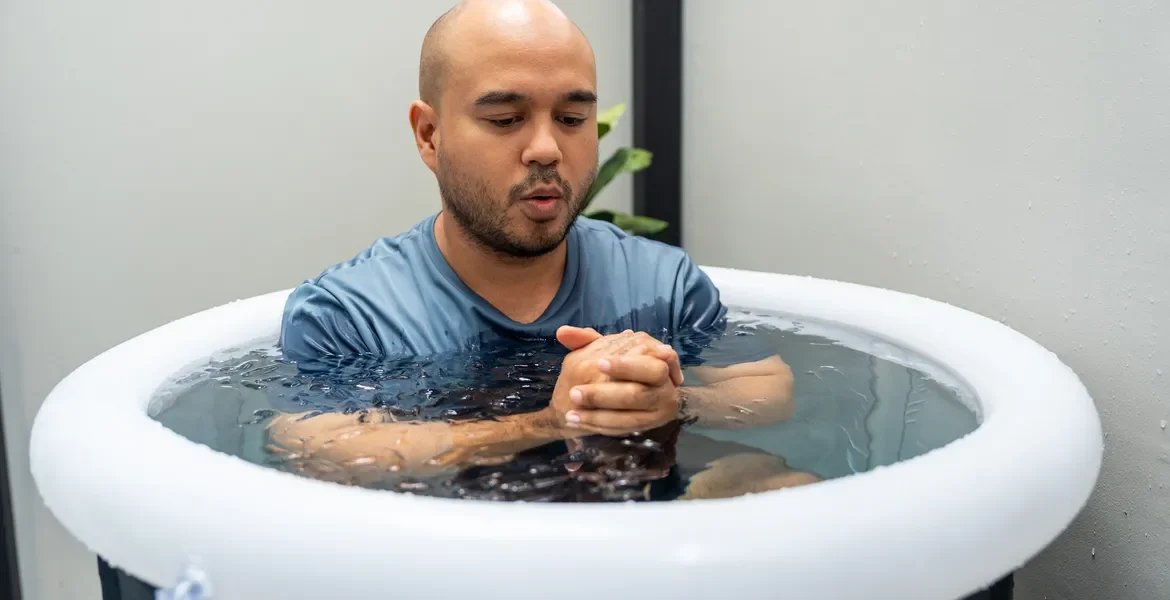
Cold immersion forces presence in a way few practices can. When you enter cold water, your phone, your to-do list, and your mental noise disappear instantly. Your breath sharpens, your heart rate changes, and your nervous system wakes up.
That physiological response is not random. Cold exposure activates the vagus nerve, which controls involuntary bodily functions, and trains the body to regulate stress more efficiently. Instead of running from discomfort, you learn to breathe through it.
This new benefit carried over into my daily life within weeks. Traffic bothered me less, work pressure felt manageable, and my emotional reactions slowed down. Cold exposure did not numb me—it sharpened me.
After my second session, I started researching recovery science, contrast therapy, and inflammation response. That is when I realized this practice was not new, but simply modernized.
My biggest lesson came from reading about the common mistakes people make when they jump into cold plunges without preparation. That article alone saved me from pushing it too hard too soon and burning out my nervous system.
The Sauna and Cold Plunge Ritual in 3 Simple Steps
The ritual itself is straightforward but powerful. You alternate between the sauna and cold immersion in controlled cycles. Heat relaxes muscles, increases circulation, and opens pores; cold constricts blood vessels, reduces inflammation, and sharpens mental clarity. Switching from hot to cold creates a pump effect in the body that improves recovery and resilience.
1. Heat (10 Minutes)
My typical routine starts with 10 minutes of heat exposure. I let my breathing slow naturally rather than forcing it.
2. Cold (1-3 Minutes)
I then step into cold water for one to three minutes. The goal is not endurance. The goal is calm breathing under stress.
3. Repeat (2-3x)
Repeating this cycle two or three times creates a grounded, almost meditative state. I leave feeling lighter, clearer, and deeply rested.
Cold Immersion as a Mental Health Tool
What surprised me most was how much this ritual improved my mental health. I originally began as a way to physically recover after workouts. Within a month, I noticed I was having better sleep and fewer anxious thought loops.
Cold exposure triggers a dopamine release that lasts longer than many stimulants. That chemical response explains why mood improves hours after a session. Instead of chasing motivation, the practice builds it naturally.
On days when motivation felt low, a cold session pulled me out of mental fog without the assistance of caffeine or digital screens. It became a reset rather than an escape.
Real-Life Results from Consistent Practice
Finding a good facility is not about aesthetics alone. Water temperature consistency matters more than branding. Clean filtration systems are essential for safety and skin health. Staff knowledge matters because guidance prevents overexposure. The best places emphasize breathwork, gradual adaptation, and recovery education.
If a location encourages pushing through pain without instruction, that is a red flag. Cold immersion should challenge you, not shock your system recklessly. I learned this the hard way during one of my first sessions where I stayed in too long. Recovery took longer, and my sleep suffered that night. Since then, I have followed structured timing and listened to my body.
After three months of consistent sessions, my inflammation markers dropped noticeably. Joint stiffness in the mornings disappeared. Post-workout soreness shortened from days to hours.
More important, my stress response changed. I responded appropriately instead of overreacting. Cold exposure trained emotional regulation in a physical way. Friends noticed the change before I mentioned it. They asked why I seemed calmer under pressure.
The answer was not discipline. It was repetition. Putting myself in controlled discomfort taught my nervous system that stress is temporary.
Safety, Frequency, and Common Misconceptions
Here are a few things I’ve learned in my cold plunge practice:
Colder is not necessarily better.
Longer sessions do not equal faster results.
Most benefits occur within the first two minutes.
Beginners should start with brief exposures and build gradually.
One or two sessions per week are enough to feel changes.
Consistency beats intensity every time.
Cold immersion is not ideal when sick or severely fatigued.
Listening to the body prevents setbacks.
Pairing cold exposure with breathwork amplifies results.
Tracking sleep, mood, and recovery helps measure impact.
The ritual becomes intuitive over time. It is not about extremes but adaptation; a shift from effort to habit. That is when real transformation happens.
Why This Practice Feels Like Modern Mindfulness
Traditional mindfulness teaches awareness through stillness. Cold immersion teaches awareness through sensation. Both bring you into the present moment. Both quiet mental noise. Both improve emotional regulation over time.
The difference is that cold immersion does not allow distraction. It demands attention. That is why it works so well for people who struggle with seated meditation—it meets the body where it is.
Cold immersion is not a trend when practiced intentionally. It is a tool for resilience, clarity, and recovery. The combination of heat and cold reconnects the body and mind through sensation. It teaches calm under pressure in a way few practices can.
What started as curiosity turned into a cornerstone of my wellness routine. The healing came quietly, session by session. And the renewal showed up not just in my body, but in how I handle life.
by Aryan Davani
