
Being Seen Late in Life
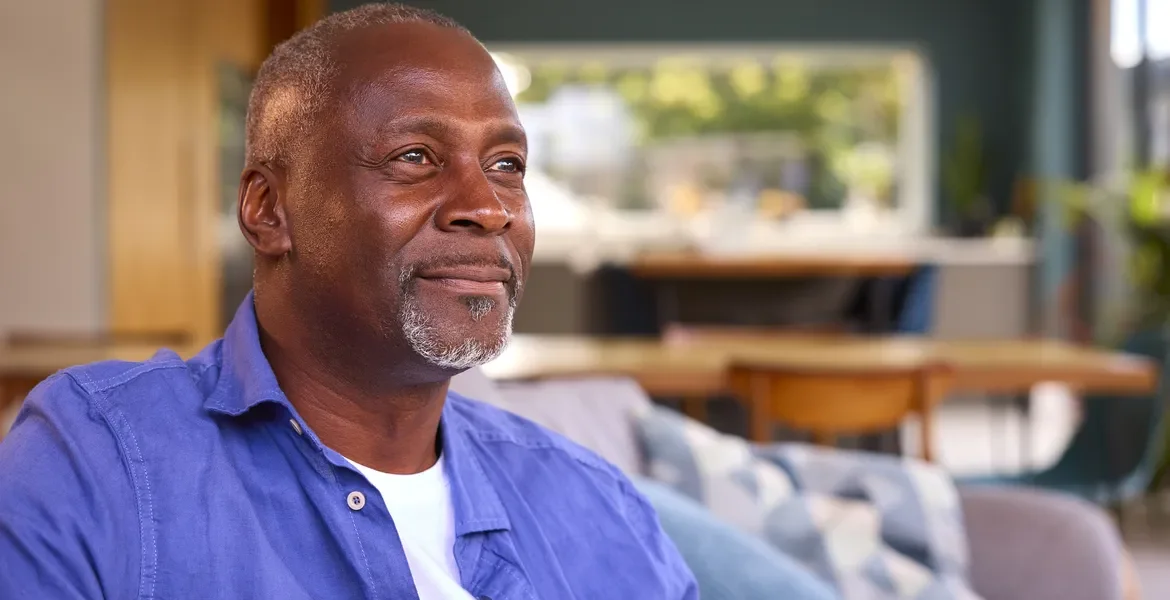
Even in our 70s and beyond, the desire to create, contribute, and be seen doesn’t disappear. Len Cooper reflects on purpose, persistence, and spiritual visibility in later life.
There comes a season in life when the world quietly assumes you have no more mountains to climb or rivers to cross. You have finished. Not dead or dying, not disappeared—simply finished. Your years of striving are presumed to have faded in the rearview mirror; your ambitions now tucked away, stored like old clothes in your mother’s cedar chest.
Society has a way of assigning timelines to usefulness: education in your youth, achievement in middle age, and reflection in your golden years. But what happens when the spirit chooses a different path? What happens when the desire to be heard, to speak, to matter, remains alive well into one’s 70s and beyond?
I ask because I find myself living inside that question. I am not ready for silence.
I still write daily. Not always for publication, not always for recognition. Sometimes, it’s just for my own eyes. Words arrive the way they always have—tapping on the inside of my skull until they find the path to the keyboard. I give them somewhere to live.
The difference now is not the impulse to express myself, but the audience. Earlier in our lives, most of us vainly assume someone will always be listening to us. Later, we begin to understand that being heard is neither guaranteed nor necessary. Yet the need to speak does not diminish. If anything, it sharpens as we become more thoughtful.
Unanswered Questions, Unmet Dreams
Older people experience a particular kind of invisibility that is not malicious, but cultural. Youth is associated with potential, with promise. Age is associated with completion. People in their 70s are often viewed as living a life already decided, a story already told.
But internally, our heart and soul remind us of all we still desire to accomplish, leaving many of us feeling unfinished. We wrestle with unanswered questions. We carry dreams that have not fully landed. We want to contribute something meaningful with the time we have left.
This tension between external perception and internal vitality creates a strange emotional landscape. On one hand, there is pride in survival—in accumulating decades of hard-earned experience and building resilience through adversity. On the other hand, there can be a quiet urgency since time is no longer theoretical. The horizon is visible.
Seeing the end ahead does not always produce despair. Sometimes it produces clarity—a strong understanding of what matters and what does not. Applause and recognition matter less. Integrity matters more. Speed matters less. Direction and purpose matter more.
Persistence, Hope, and Being Seen
In your 70s and older, purpose becomes less about proving yourself and more about expressing yourself. The ego becomes less prominent. The question shifts from Will this make me successful? to Is this true to who I am?
There is also dignity and tremendous satisfaction in persistence. Continuing to create in your 70s and beyond is an act of quiet defiance against cultural expectations. It says: I am not done yet. My voice has not expired. My experiences still hold value and relevance.
Persistence is not always loud or dramatic. Sometimes it is simply sitting down at the desk, opening the notebook, and trying again and again.
Hope also changes shape with age. Hope in your youth often points toward achievement, careers, recognition, family, and milestones. Hope in your older years becomes more existential. It asks: Will what I have lived have meaning and substance? Will my words make a difference to someone? Will any part of me remain when I am gone? This is not vanity. It is a deeply human longing for personal continuity, for connection across time.
Spiritual visibility becomes important here. To be seen is infinitely more satisfying than to be noticed. To be seen is to be acknowledged as still alive with purpose, constantly moving toward becoming.
Aging does not end growth; it simply changes the terrain. The questions become deeper, the motivations more distilled. One begins to understand that legacy is not always measured in public accomplishments. Sometimes it lives in the story told, the lesson shared, the truth preserved.
Still Thinking, Feeling, and Becoming
I have never learned how to quit, and I have no plans to acquire the trait. That is both a strength and a burden. There are days when my continuing efforts feel foolish; when the world seems uninterested; when my daily writing feels like throwing away good effort. Yet something inside refuses surrender, and I press on.
Perhaps it is a habit. Perhaps faith. Perhaps stubbornness. Or perhaps it is the simple knowledge that as long as breath remains, possibility remains.
So I continue. I write. I reach. I hope to be heard.
Regardless of whether anyone listens, the act itself affirms that I am still here, still thinking, still feeling, still becoming. Aging has not compromised the need to matter. If anything, it has made that need more honest.
Being seen late in life is not about reclaiming youthful days gone by. It is about claiming presence. It is about standing in the fullness of one’s years and saying: I am not finished. There is so much work to be done and services to render. My story is still unfolding. My voice still carries breath. And as long as there is breath, there is reason to try once more.
by Len Cooper
